
“I sure could do with some raised biscuits,” Peter Kinsinger said over his shoulder as he and his brother Joseph trudged east through the snow toward the top of Palo Flechado Pass.
He hitched the aspen pole that supported the yearling elk carcass between them into a more comfortable spot on his shoulder. “I hear tell Kennedy’s wife knows how to make ’em real good. His place is only a few miles now and his prices are reasonable.”
“You could wait for Elmira’s biscuits,” Joseph said. “She’ll be waitin’ on us.” He hadn’t liked the looks of the Kennedy cabin when they’d passed it on their way into the Pass and Taos Canyon beyond. They now had the meat they’d been hunting and he was tired of November snow and cold.
Peter turned his head and grinned. “I’m a mite chilly, ain’t you? And thirsty. A fire and a little liquid refreshment would be a right comfort just about now.”
Joseph chuckled. Peter’s Elmira was a stickler about alcohol. Peter found it easier to stay away from the Elizabethtown saloons than to experience her tongue when he stumbled home from them.
But a man deserved a nip now and then. And with the weather so inclement, it was unlikely there’d be anyone else drinking the liquor or eating the meals that Kennedy sold to passersby.
“It is mighty cold out here,” he acknowledged. “And we’re still a good ways from home.”
The road leveled out at the top of the Pass, then the brothers began to descend, careful of the icy patches in the shady spots. They were about a quarter of the way down the mountain when they heard the echo of first one rifle shot, then another.
“Sounds like Kennedy’s huntin’ too,” Peter said.
“You may not get that drink after all,” Joseph said. “I hear tell his woman don’t open that cabin door if he ain’t there.”
“Too bad,” Peter said. “I truly am thirsty.”
Joseph chuckled. “It’s still a ways. Maybe he’ll be back before we get there.”
But when they came within sight of the Kennedy place three-quarters of an hour later, they both forgot all about liquid refreshments.
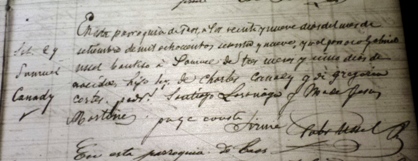
A man lay face down in the middle of the frozen dirt track that skirted the Kennedy hollow. The snow and dirt were splashed red with blood. Charles Kennedy’s bear-like form crouched beside the sprawled body.
The Kinsinger brothers eased their elk to the side of the road and hurried forward.
Kennedy looked up, his black beard bristling around a perpetually angry mouth, his eyes watchful. “Injuns,” he said.
Peter and Joseph looked at each other, then Kennedy.
“Is he dead?” Peter asked.
Kennedy nodded. “I fought the Injuns off.” He stood and gestured toward the cabin. “Bullet holes in th’ door.” He nudged the dead man’s torso with the side of his boot. “Greenhorn ran.”
Joseph leaned down, reached for the man’s shoulder, and rolled him over. “I don’t recognize him.”
“Came from Taos,” Kennedy said. “Merchant there. So he said.”
Joseph straightened and looked away, down the road to Elizabethtown.
“When’d it happen?” Peter asked.
“Couple hours ago,” Kennedy said.
The Kinsingers nodded, eyes raking the hollow and bloody snow, careful not to look at each other or Charles Kennedy.
“Well, we have meat to get home,” Joseph said. “We’ll tell the Sheriff’s deputy in Etown, and he can come fetch the body.” He looked down. “Whoever he is, I expect his Taos friends’ll be wantin’ to give him a proper burial.”
Kennedy nodded. He stood next to the dead man and raked his fingers through his beard as the Kinsingers returned to their elk, hoisted its carrying pole onto their shoulders, and trudged past him.
The brothers were out of sight over the rise to the northeast before either of them spoke.
“Injuns my hat,” Peter said over his shoulder.
Joseph spat into the snow at the side of the road. “Sure a convenient excuse though, ain’t they?”
“We didn’t see anything different,” Peter pointed out.
“Wouldn’t want to get crosswise of that one,” Joseph agreed. They trudged morosely on up the valley toward Elizabethtown.
from Old One Eye Pete

 Fiction and Fact From Old New Mexico