
The recent suggestion that the U.S. should annex Canada and Greenland sounds strikingly familiar. The same argument—that the land masses in question are strategically important and therefore must become part of the U.S.—was used in the runup to what we now call the Mexican American War.
Throughout the 1840s public sentiment grew in support of seizing what was “rightfully ours.” It was our manifest destiny to own everything to the Pacific Ocean. And it would be easy enough to do. After all, as Sam Houston put it “Mexicans are no better than Indians,” and we’d seized indigenous lands easily enough. Besides, Mexican leadership was corrupt and cowardly. George Wilkins Kendall had asserted this in his book about the 1841 Texas Santa Fe Expedition. So it must be true.
The only question was how to make the war Mexico’s fault. First, we needed to elect a President who was committed to the Big Steal. This was accomplished when James A. Polk was elected. Then, we needed to aggravate Mexico into an angry response. This was initiated at Polk’s March 4, 1845 inauguration when he promised to annex Texas, the “Republic” which Mexico still considered in rebellion and not independent from it at all.
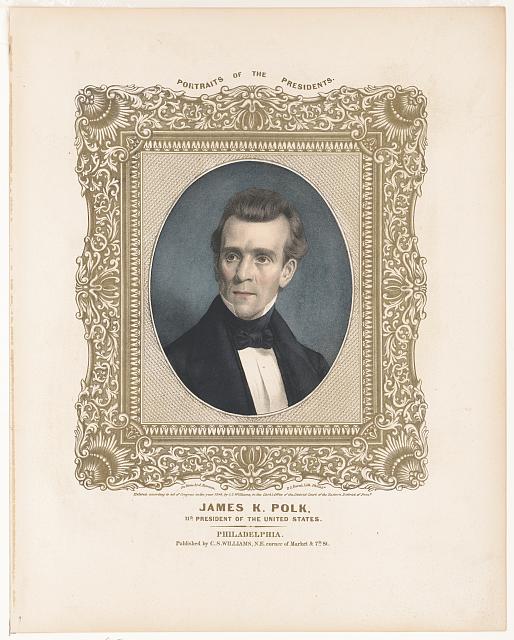
In reply to Polk’s pronouncement, Mexico’s minister to Washington lodged a formal objection, closed his mission, and left for home. Mexico City severed ties. This gave Polk the excuse he was looking for. He ordered General Zachary Taylor to move his troops to the southern border and then into the Nueces Strip, which both Texas and Mexico claimed.
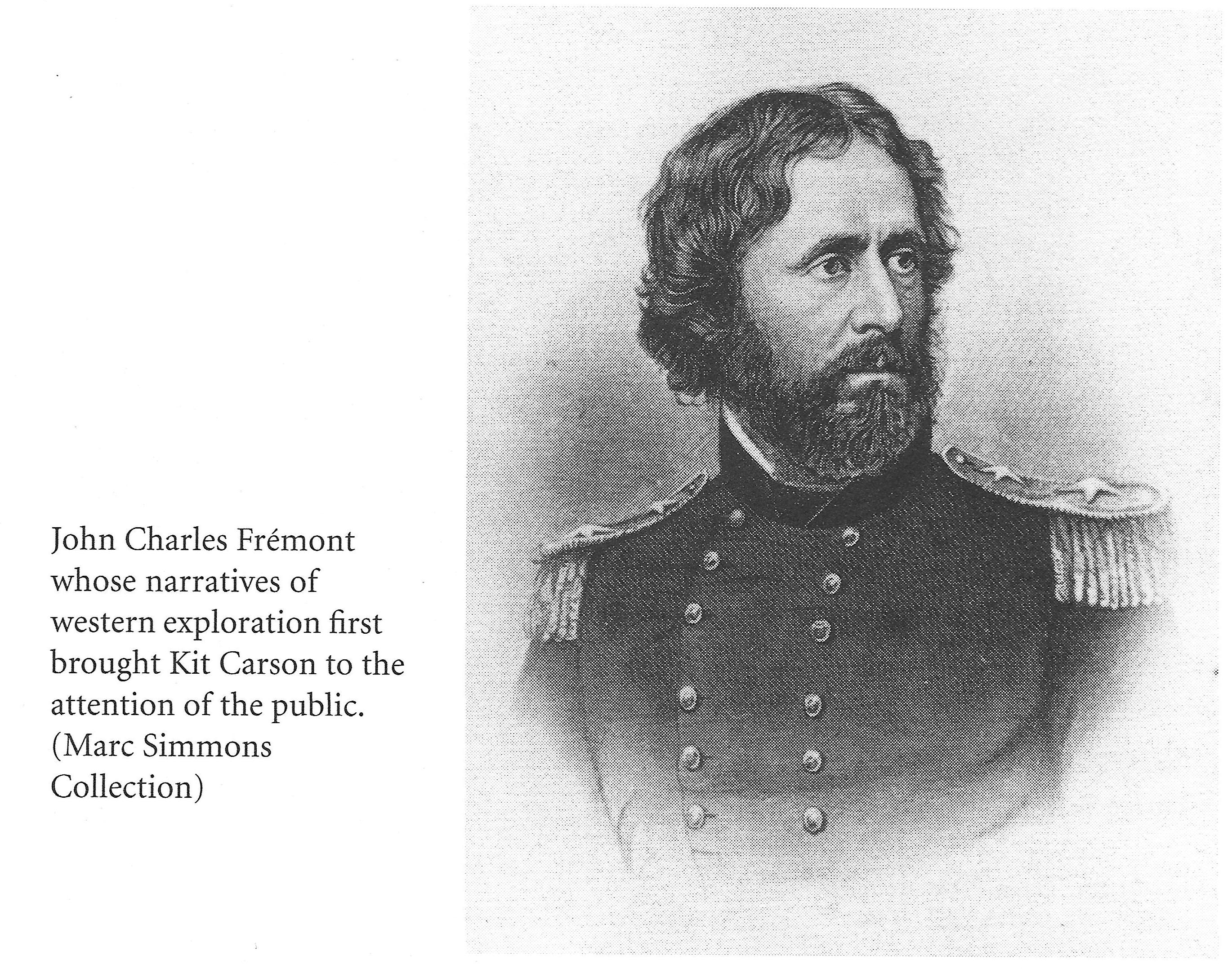
While Taylor was doing that, the President sent John Fremont to find a western route to California. He also ordered Major Richard B. Lee to Santa Fe. Lee’s subsequent September 1845 report to Washington included an invasion route, pertinent distances, recommended rendezvous points, estimated costs, and the proposed composition of the necessary military forces.
But the Mexicans still weren’t cooperating. They still hadn’t declared war. So, in December 1845, Polk upped the stakes by overseeing the formal annexation of Texas to the U.S. That did it. Four months later, Mexican soldiers crossed the Rio Grande and killed American troops. This and other bloody encounters gave the President the excuse he needed to present the U.S. House of Representatives with a declaration of war.
The bill he sent them wasn’t just a declaration of war. It also authorized funding for General Taylor’s men. A vote against the war was a vote against the troops on the ground. This was the first coercive declaration/funding bill combination in American history. Former President and now Congressman John Quincy Adams was one of the courageous 14 who voted against the proposal. Everyone else caved. It took them two hours.
Polk still had to get the legislation through the U.S. Senate. The powerful Thomas Hart Benton, who agreed that the country should expand westward, was opposed to taking the land by force, at least not “without full discussion and much more consideration”. However, after much arm-twisting, he eventually voted in favor. Senator John C. Calhoun of South Carolina didn’t. He abstained. Polk was “pregnant with evil,” he declared later, and what the Executive Branch had done by combining the two bills would “enable all future Presidents to bring about a state of things, in which Congress shall be forced, … to declare war, regardless of its justice or expediency.”
They called it “Mr. Polk’s War.” Not everyone supported it, of course. There were letters to the editor and other resistance, especially in abolitionist New England. In Concord, Massachusetts, abolitionists Henry David Thoreau and Bronson Alcott (Louisa May Alcott’s father) both refused to pay taxes because they saw what Polk and his faction were doing as a bid to expand slavery into the Southwest.

None of the vituperations and protests did any good, though. The drive west continued, taking everything before it. In the end, President Polk had his way, and the U.S. annexed the land mass that became what is today the states of New Mexico, Arizona, Utah, Nevada, and California as well of parts of Colorado, Wyoming, Kansas, and Oklahoma.
I’m not sure what the events of 1846/47 suggest regarding the current proposal to annex Canada and Greenland. That resistance is futile? That resistance is important even if it’s ultimately unsuccessful? Or, that we should try to make every effort to ensure that history doesn’t repeat itself?
All I know is, this isn’t the first time an American President has pushed forward with his agenda regardless of the question of right or wrong. There are, of course, plenty of other examples of this approach to U.S. political life, though the runup to the Mexican War is perhaps the most explicit correlation to current events. Will we add the acquisition of Canada and Greenland to the list of sins we need to expiate? Only time will tell.
© Loretta Miles Tollefson
Sources: James A. Crutchfield, Revolt at Taos, the New Mexican and Indian Insurrection of 1847; Amy S. Greenberg, A Wicked War: Polk, Clay, Lincoln, and the 1846 U.S. Invasion of Mexico; W. Eugene Hollon, The Southwest: Old and New; Wilson in David Grant Noble, Santa Fe, History of an Ancient City; historyofmassachusetts.org/henry-david-thoreau-arrested-for-nonpayment-of-poll-tax


 Fiction and Fact From Old New Mexico